
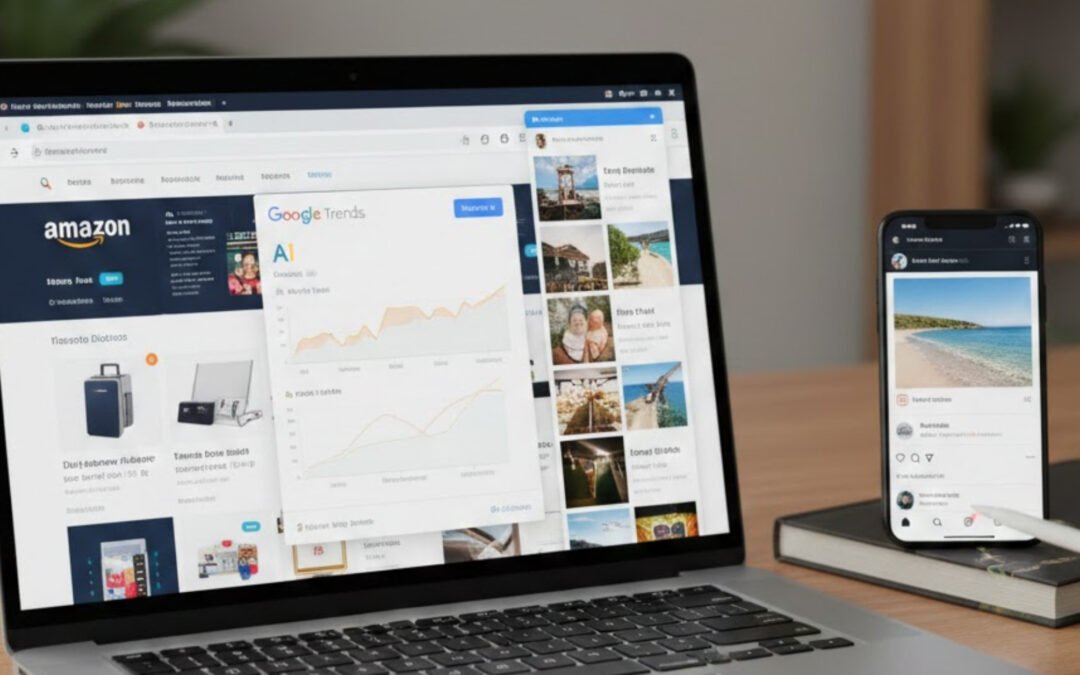
How to Find Trending Products to Sell Online in 2026: Every year, thousands of people start selling online with big hopes. Some grow fast, some struggle, and many quit within months.
The difference is rarely effort it’s product selection.
In 2026, competition on online marketplaces is intense. Ads are expensive, copycat sellers are everywhere, and customers have unlimited choices. In such a market, choosing the right product at the right time matters more than anything else.
This guide is not based on theory. These are real industry secrets used by experienced e-commerce sellers, private label brands, and D2C founders to find trending products before they become overcrowded.
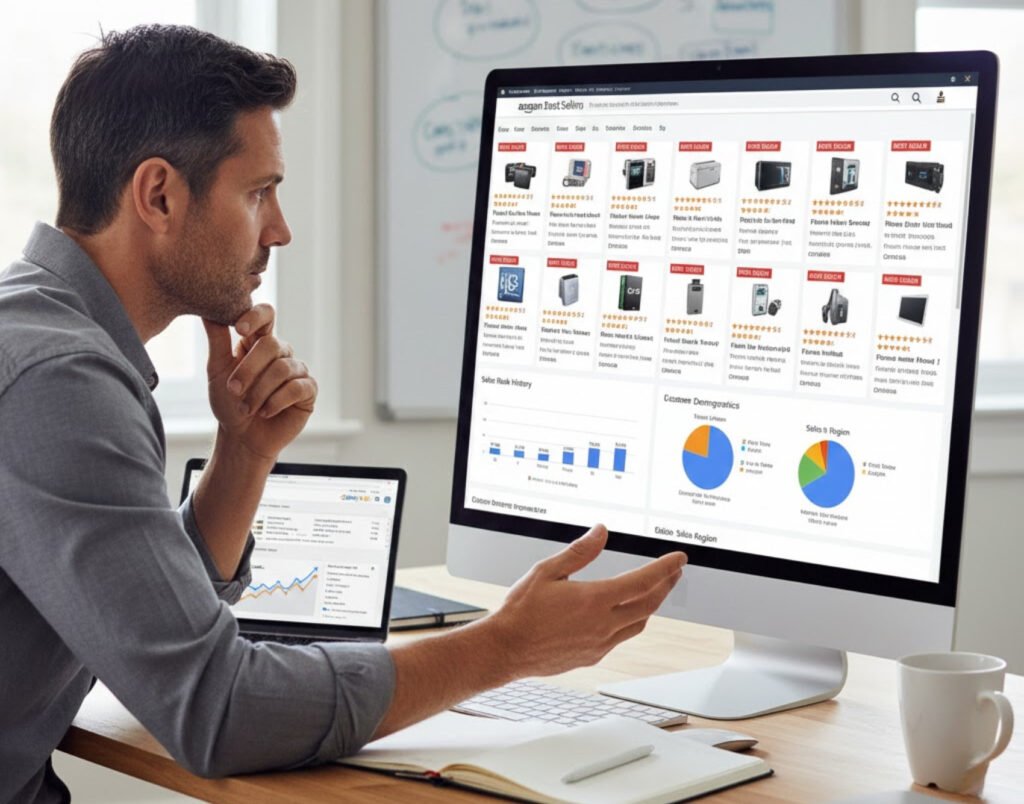
Secret #1: Read Amazon Best Sellers Like a Professional
Most beginners look at Amazon’s Best Sellers list and assume the top product is the best opportunity.
That’s usually the worst place to start.
What experienced sellers actually analyze
Instead of the top 5 products, focus on:
-
Rankings between #20 and #100
-
Brands that don’t look premium or well-known
-
Products with 300–800 reviews, not thousands
Why this works
Top-ranked products are often:
-
Highly saturated
-
Dominated by large brands
-
Difficult to compete on price and ads
Mid-ranked products usually indicate strong demand with open opportunity. These are often rising trends that haven’t peaked yet.
Secret #2: Use Google Trends With Buyer Intent (Not Curiosity)
Google Trends is one of the best free tools available but only if you know how to read it properly.
Correct way to check trends in 2026
-
Search product names with intent-based terms like:
-
“buy”
-
“price”
-
“best”
-
-
Select your target country
-
Use Past 90 days or Past 12 months
How to judge a real trend

-
Slowly rising graph → Sustainable demand
-
Sharp spike then fall → Short-term hype
-
Flat line → No growth potential
Discover-friendly content always focuses on stable interest, not sudden viral peaks.
Secret #3: Short-Form Video Platforms Reveal Future Best Sellers
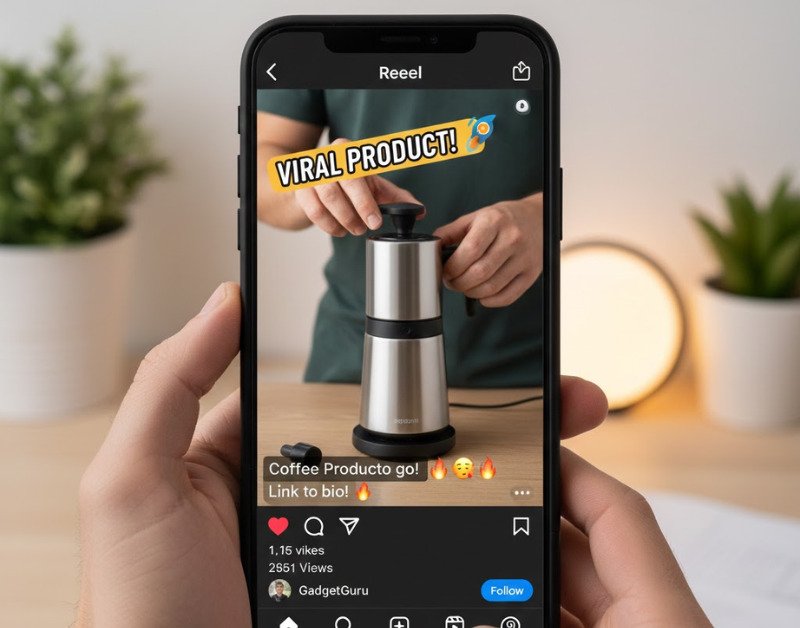
Products that dominate marketplaces today were often viral on short-video platforms weeks earlier.
What to observe
-
Repeated appearance of the same product across multiple videos
-
Simple product demonstrations getting high engagement
-
Comments like:
-
“Where can I buy this?”
-
“Is this available online?”
-
“Price please”
-
Industry insight
When you see brands running multiple ads for the same product, it usually means they’re scaling something profitable. Sellers don’t spend money repeatedly on losing products.
Secret #4: Customer Reviews Are the Most Honest Research Tool
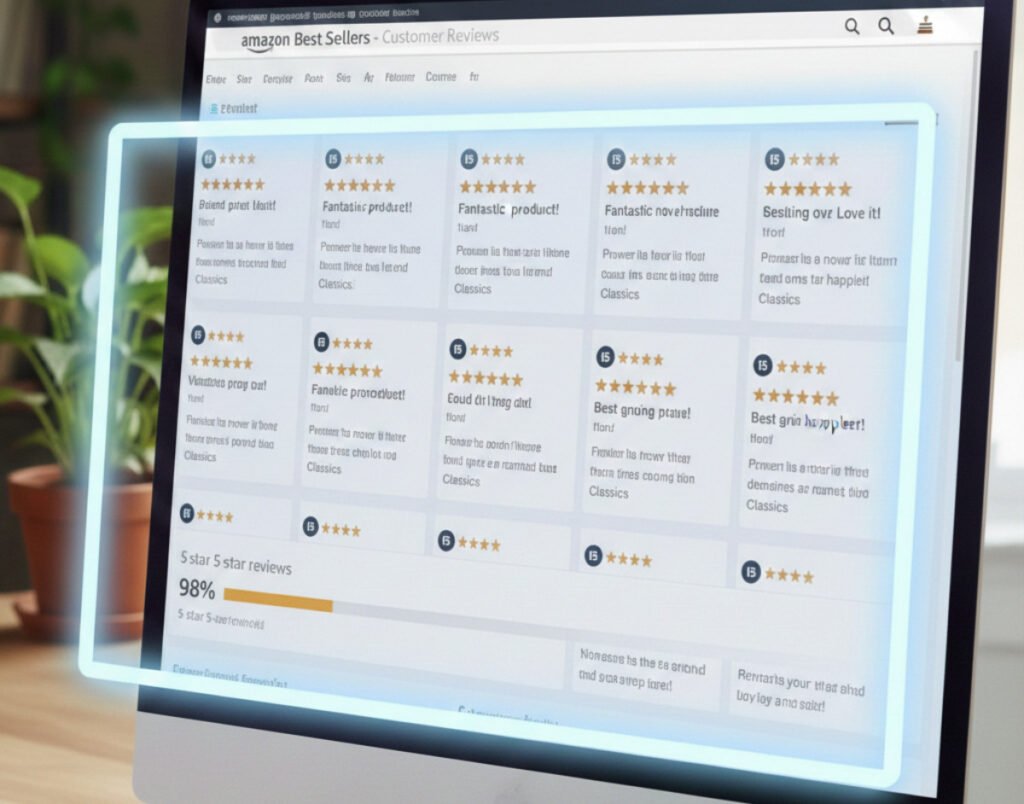
Reviews tell you what ads and listings never will — the truth.
How to read reviews like a seller
Ignore only 5-star reviews. Focus on:
-
3-star and 4-star feedback
-
Repeated complaints
-
Suggestions hidden inside criticism
Why this matters
Many trending products in 2026 are not “new inventions.”
They are improved versions of existing products, created by listening carefully to customer pain points.
Secret #5: Seasonal Trends Still Create Massive Opportunities
Despite automation and AI, seasonality continues to shape online demand.

Common seasonal demand cycles
-
Summer → cooling products, breathable clothing, sandals
-
Monsoon → waterproof bags, anti-slip footwear
-
Festive season → gifting items, décor, accessories
-
Wedding season → beauty tools, fashion add-ons
Timing is everything
Smart sellers prepare inventory 45–60 days before demand peaks.
Late entry means higher competition and lower margins.
Secret #6: Profitability Matters More Than Popularity
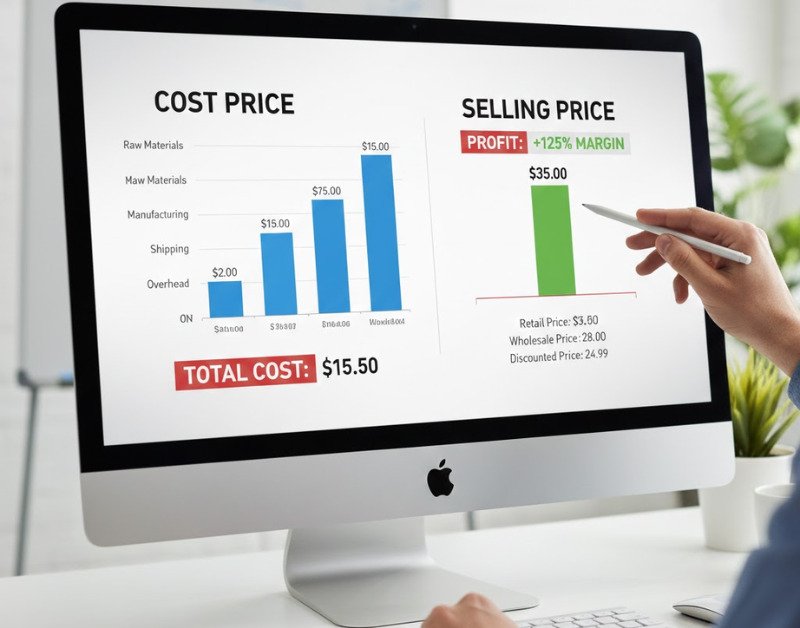
A product can be trending everywhere and still be a bad business decision.
Ideal product profile for 2026
-
Cost price: ₹200–₹400
-
Selling price: ₹799–₹1499
-
Lightweight and non-fragile
-
Low return risk
-
Daily-use or repeat-use potential
Why this protects your business
Marketplace fees, ads, and returns reduce margins quickly.
Only products with healthy pricing flexibility allow long-term growth.
Secret #7: Offline Markets Often Predict Online Demand
Not all trends are born online.
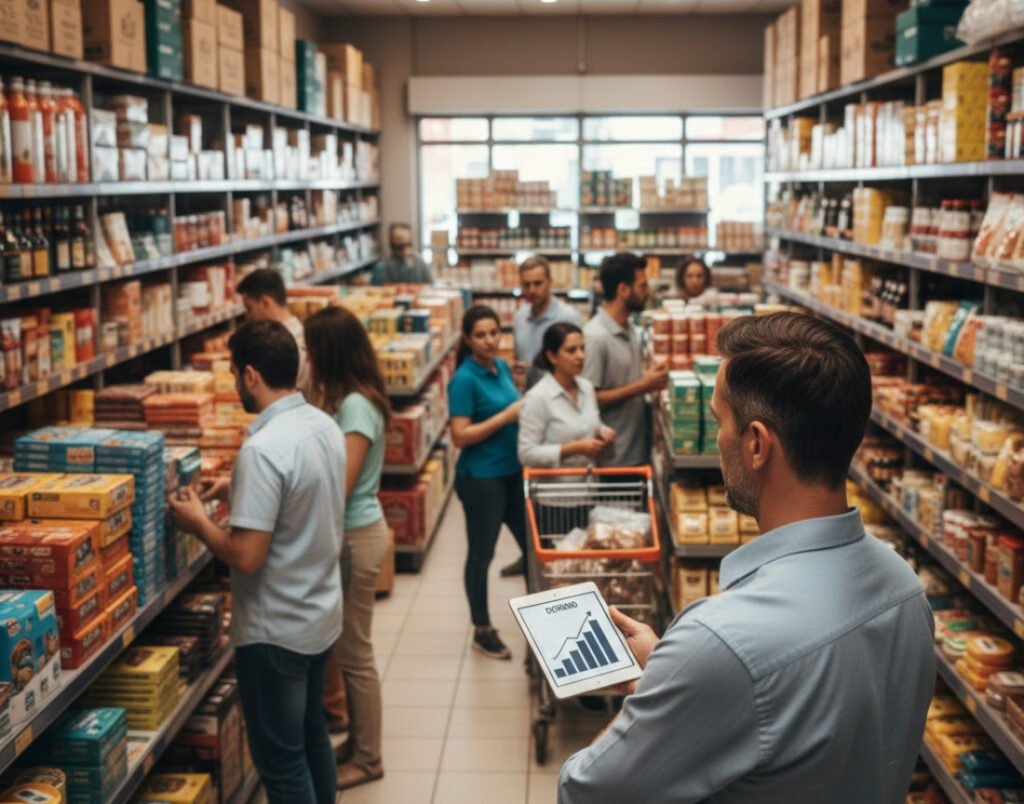
Where smart sellers observe demand
-
Wholesale markets
-
Local shopping areas
-
Small retail shops
-
High-footfall locations
If a product:
-
Sells fast across multiple shops
-
Is frequently restocked
-
Has repeat buyers
There’s a strong chance it will perform online when positioned correctly.
Final Thoughts: Don’t Chase Trends — Learn to Spot Them Early
In 2026, winning sellers don’t blindly copy what’s already popular.
They identify patterns, validate demand, and enter at the right stage.
When you combine:
-
Marketplace data
-
Search trends
-
Social signals
-
Customer feedback
-
Real-world observation
You stop guessing and start building profitable product strategies.
Also Read How to Reconcile Amazon Payments: A Complete Step-by-Step Guide


very informative articles or reviews at this time.